Friday, June 7, 2013

Guarding and Post break story of the NSA's PRISM domestic spying

We know that some quasi-legal, mostly-secret spying programs were launched post-9/11 by the Bushies, and were continued/reauthorized by Obama. The Senate Intel. Cmte. has sent a letter to AG Holder expressing concern for the magnitude of domestic surveillance that our intel. infrastructure wants legal authority to conduct. They think that there is a major gulf between what Americans think the gov't is entitled to do, and what the gov't actually interprets their authority to allow.

The FISA (Foreign Intel. Surveil. Act) was recently reauthorized and grants the gov't the power to monitor int'l and non-American comm. But recently the Guardian and WP broke the story that the NSA has had a program called PRISM since 2007 that would basically grant them direct access to the data on the servers of major internet comm. companies like Microsoft, Skype, Google, Yahoo, and most recently Apple - for the purpose of domestic spying that FISA doesn't allow (they were tired of FISA's legal red tape too). And the program was conducted with basically zero oversight. This is all described in a PowerPoint training deck that was leaked (BTW the NSA makes really crappy slides). So far the NSA has not denied the legitimacy of that source.

The Director of Nat. Intel., James Clapper, has also not denied the existence of PRISM (and its $200M/year budget). In line with the Obama admin's "war on whistle-blowers", he lashed out that leaking the story would harm national security. Right, like how Jane Fonda helped the Viet Cong. By Clapper's own words, secret surveillance has foiled one (= 1, uno) domestic terror plot on record since the program started (target unknown, potential losses averted unknown). Democrats on the Senate Intel. Cmte. say they have no evidence that surveil. stopped any plots. So the benefit of the program is 0-1 plots stopped over 12 years. I don't think exposing the program is going to matter at all, except maybe compromise their surveil. budgets and autonomy. Also, what terrorist worth his weight in salt doesn't already know to "stay off their airwaves"?

Interestingly, the tech companies issued statements saying that they have no knowledge of PRISM, and do not give the gov't a backdoor to their servers. So either they are lying and actively colluded with the gov't, or the gov't broke a ton of laws and hacked into those companies totally discreetly (eat your heart out, China). I have no data to back this up, but my suspicion is the cyber security folks at those prestigious companies are a lot better than the hackers at the NSA. So the likelihood that Google would get caught with their pants down is low. But maybe those were the terms of the agreement: they would let the gov't snoop, but in return they get full denial and release of liability, so their users don't revolt and sue.

Another revelation is that the gov't got access to the "metadata" on Verizon's telco network. So they weren't actually eavesdropping without a warrant on calls, but instead knew which #s were talking to each other, when the calls were made, and what was the closest cell tower. Tracking and call patterns in other words. While that was probably clever by "Zero Dark Thirty" standards, I am not sure if it is legal to do it indiscriminately without probable cause.

This leak comes at a horrible time for Obama, who is about to sit down with Chinese leaders to chastise them for hacking US companies (we previously blogged about this). It kind of undermines his credibility and moral high ground when our gov't is caught hacking its own people and companies too.

What I don't understand is why Greenwald was permitted to publish these articles. I saw "Bourne"... isn't he supposed to get whacked in a London train station?

--------

He was on DN this morning.  Amy Goodman asked him, 'Are you concerned that you will be attacked for publishing such things?'  His response was basically, 'I'm emboldened by the attacks.  Let them attack me.'  Basically, he can't be silenced.  What are they going to do?  Out him?  Um, too late.  If i was boarding a plane and saw GG and Jeremy Scahill boarding, I would take a different plane....those two will very soon NOT be seen on MSM, is my guess.  GG will never be on Bill Maher after his calling Maher out for being an Islamophobe(and, he is).   These two are the heroes of our time.  Oh, add Bradley Manning and you got the makings of a superhero cartoon!

---------


Yeah the Manning case is interesting. He has already pleaded guilty to some major crimes, but the gov't wants to convict him for "aiding the enemy" (presumably his leaks helped Al Qaeda? Impossible to prove unless we have a smoking gun - which we don't). And they won't even accept all his prison time up to this point as time served, to reduce his remaining sentence (not to mention the torture).

But I think what makes him ineligible for hero status is his indiscriminate data dump to Wikileaks. At least with the Pentagon Papers, Ellsberg "edited" them and only leaked snippets of the docs that would tell the story with minimal exposure of gov't sources/processes (apart from the guilty parties). In Manning's case, he didn't even know all the stuff he was leaking, and just trusted Wikileaks to decide what was fit to print. I am glad that he exposed some horrible war crimes from Iraq that the gov't was trying to bury. But I think he also set back our peaceful State Dept. diplomatic efforts in other parts of the world. Clearly people like Rummy and Cheney have hurt this nation a lot worse than Manning ever could.

http://www.kqed.org/a/forum/R201306030900


--------


I don't know if it helps the moral high ground but the verizon thing was signed by a judge.
I just have a hard time understanding who, anywhere in the us, thinks this should be an ok thing to do.  Who thinks it makes sense to have a secret court issue secret orders unreviewable and unchallengeable by those it affects?  And it always begs the question what are they doing we DON'T know about?

Extra embarrassing with a nominally dem president in charge.


--------


Yeah, though a judge also approved Bush's harsh interrogation and rendition policies too. Heck a judge ruled that Bush won the election. :)

As you said, lord knows WTF is going on that we don't know about. Makes those conspiracy guys a little more credible at times. It was embarrassing to see Obama in Si Valley today defending the programs like a stooge. Same argument with the drone kills: TRUST us that we are making these decisions carefully (in secret) and we are protecting you from the bad men. Either Obama doesn't truly believe that and is just delivering lines that will please the defense establishment (which makes him a coward, appeaser, and poor leader), or he really believes it (which makes him dumber and less moral that I previously gave him credit for). Nixon would have loved the 21st Century.

M sent me this which was thought-provoking: http://m.theatlantic.com/magazine/archive/2007/11/just-asking/306288/?mrefid=twitter

Thanks, I haven't seen this before. I think the author has a point. 9/11 was a freaking OUTLIER. Yes the stakes are higher now with WMDs and the borderless global world, but even an event as horrific as 9/11 was not a society-ender (we'll it was... for Iraq). "Sacrifices for freedom" are often much smaller than that, and would be even smaller if our brash and unjust foreign and economic policies didn't piss off so many. Even today, Obama said "We can't have 100% security and 100% freedom." It is a false choice as many have said (http://www.kqed.org/a/forum/R201306070900). But we're NEVER going to have 100% security, even if we have 0% freedom. Random violence and tragic accidents are part of the human condition, even in the Utopia of Scandinavia (Brevik shooting, car accidents with reindeer, suicides inspired by 6 months of darkness). Americans are hysterical and selfish, and they don't want to fear that one day they may be the victim of a crazy bomber. So they endorse all these stupid policies to just "feel safer". The soccer mom philosophy of "I'll do anything to protect my kids", even if that means ironically supporting policies that put many other no-less-worthy people's kids in danger. And we wonder why they hate us.

Strangely this line of thinking doesn't apply to the gun debate, where the opposite psychology reigns: freedom is the precious thing worth dying for (or letting children die for), where thousands more brown-skinned youth have to be sacrificed each year just so said soccer mom's husband can dream about stopping a home invasion (perpetrated by Mookie Hernandez) with his Bushmaster. And in the gun debate, there can be no gray area; limitless magazines and no paper trails of gun purchases. Any encroachment on that is fascist tyranny. It's not like the constant pushing-of-the-envelope with the privacy-security debate as the tech evolves (that has gone on since the times of J. Edgar), where it's "OK" to secretly gather metadata, but not actual telephony content. And we promise to not cross that line. It's OK to kill Americans without trial, as long as they're overseas and saying hateful things. But we won't go past that, trust us.

Should we find new ways to use technology in uncontroversial ways to make our society safer (not just from terrorism, but from car accidents, sickness, etc.)? Certainly. Should we have a debate on when other priorities need to trump privacy? Sure. So let's talk it out in public rather than let a few scheming powerful men make all the decisions in secret, because we're too scared to live up to our civic duty.


Tuesday, June 4, 2013

Oh the "tragedy" of the IRS scandal

First of all, is it wrong for a gov't agency to act with prejudice? Certainly. Should some people be fired or jailed? Yes if the proper evidence is available. Should we have an investigation to see how high it goes? Probably. But the outrage and tear-jerking by the right over this is worse than comical, it's enraging. NPR reported on the Congressional hearings, and it was like an episode of Maury. One Tea-bagger testified that she couldn't sleep because she could only imagine what evil the gov't would inflict on her next. Give me a break. She and others got her apps delayed and had to answer some annoying questions. Not right, but not the end of the world either (and the same thing happened to some liberal-sounding groups during the Bush years, and that was pre-Citizens United). Did they get shut down and their assets frozen? Did baton-wielding brutes launch tear gas and kick their teeth in? Were they detained for hours without charge or rendered overseas to be tortured? Because that stuff happened to Americans, and I didn't hear a peep out of the Tea-baggers then.

I would be more outraged if the wronged parties were like Mormons or soybean farmers or bugle players. But these are fundamentalist conservatives here, frankly with un-American ideology. They were still wronged, but they don't get to bitch about oppression and abuse when they are the ones advocating policies that marginalize gays, Muslims, people of color, women, the planet, and people with common sense. If they are all about keeping the vile gov't out of our lives and protecting our god-given rights, then why do they want to dictate who you can marry, what you can smoke, where you can build a mosque, what official language we should speak, and when life begins?

And if they distrust/criticize the gov't so much, then why do they expect to get swift, fair, and competent processing of their 501(c)4 status as a tax-free, non-profit, "social welfare" org? They claim to love America, yet hate the gov't. Well the gov't is America too. What are they, bipolar? America is not just a 200-year-old parchment with some old edicts. It needs agencies and people to carry them out. I think over 10% of our workforce is public sector. Maybe that is bad, but those people are your neighbors and family and they mostly mean you no harm (unless they work for DHS or CIA). In fact they help you in so many obvious and subtle ways that you should show some freaking humility and gratitude. Wasteful bureaucracy sucks, but unfortunately it's the easiest way to have a society, unless you trust the free market and for-profit corporations to "run your life" instead. And by the way, there would be no functional market without the government. Well there may be a market, but it would be like a giant craigslist swap meet cluster F.

We know that our system of political finance/influence is broken and corrupt (yes, other nations are much worse but we'd like to think that we're better than Iran or Italy). Citizens United really re-wrote the book and most Americans can't directly experience/fathom the effects. So you now can have orgs where million-dollar donors can be totally anonymous. And you can have some orgs that don't have to pay taxes because they claim to do just enough community service to go along with their 95% narrow political advocacy. Tea-baggers don't like the debt? Then before you cut off a poor working mom, why don't you pay some tax on the collections you reaped at your BS worthless rally? Why don't your employees have to pay into SS and Medicare, yet a literally job-creating company has to (even if it's in the red this year)? The nation is subsidizing your stupid beliefs and advocacy. Yes, you are constitutionally entitled to hold and propagate your stupid beliefs. But don't tell me you should get special treatment and a free ride. Doesn't that make you a taker? And yes, I also believe that religious orgs (that don't do enough REAL social work) and liberal orgs should pay taxes too. The Bugle Players of Alameda County are not the Red Cross. Neither is the Tea Party, any Tea Party.
It's ironic because the bad people that the Tea-baggers claim to be saving America from actually resemble them a lot (apart from being rich, old, and white). And it's strange that the majority of Americans do not hold the same beliefs as these Tea groups. Only in this crazy age do self-proclaimed patriots get financial assistance to advocate for policies that are clearly damaging to the country and its values. And then when they are slightly inconvenienced in the process, it's the worst tragedy-scandal since Benghazi (which is the worst tragedy-scandal in history... their version of history where Republicans like Cheney, North, and Nixon never existed).

Monday, June 3, 2013

The dangerous sectarian nature of the Syrian civil war

I haven't brought up Syria before because I am not well versed in the details, and frankly it's just depressing. But some recent turn of events have made things even more complicated and impactful.

- The civil war is about 2 years old, almost 100K Syrians (and some famous Western journalists) have died, and about 20% of the population is internally or externally displaced.


http://en.wikipedia.org/wiki/Casualties_of_the_Syrian_civil_war

- Israel has bombed a supposed weapons shipment to Hezbollah near the border. They may have also bombed a weapons facility in Damascus last month. We are used to thinking that Jihadi groups are also anti-government because most dictators in the Muslim World are kind of secular. But in Hezbollah's case ("The Party of God" formed to oppose the first Israeli invasion of Lebanon), they are explicit allies of Iran (a Shia theocracy and Shia majority nation) and Syria (neither of those). But Hezbollah is Shia and they support Assad against the rebels who are majority Sunni. So things are taking a nasty sectarian turn.


http://www.cnn.com/2013/05/05/world/meast/syria-violence/

- The regime or the rebels may have used chemical weapons in combat, which would violate the "red line" established by Obama as a trigger for escalation. But it's doubtful. However, America's #1 concern there is probably the containment of those WMDs. Even if Assad is toppled, who will control and distribute his stockpile?

- We know that Iran and Russia (and China sort-of) support Assad's regime because they are strategic/trade allies, and Assad as seen as a counter to Israel and US "domination" of the region. So they have blocked stronger EU-led actions against Assad in the UN, and continue to ship high tech weapons to Damascus in spite of global condemnation.

- The EU embargo on weapons trade with Syria just expired, so the UK and France are considering arming the rebels (but which rebels is a big question). The UN has opposed this, and the US doesn't want to go down that route for obvious reasons, but has likely provided advisers and non-lethal resources to some rebels. We are trying to prop up non-Jihadi, pro-Western rebels, because unfortunately some of the most powerful and effective rebel groups like Jabhat al-Nusra are Sunni extremists who have recently allied themselves with Al Qaeda (and therefore got on the global terror list and cut off from Western aid). So clearly we don't want to arm them and help them win, but we also want Assad to fall. Of course rebel groups are fighting each other too, as we saw in Libya. The West is caught in a terrible spot: Assad is a jerk and supported by orgs and nations we don't get along with. He is slaughtering his people, but he is also keeping Al Qaeda and the Muslim Brotherhood out of power there. It's like Egypt but compounded by WMD containment fears.


http://www.cnn.com/2013/04/10/opinion/bergen-al-qaeda-syria/

- As if that wasn't bad enough, the top link from Yahoo describes how Hezbollah is now actively sending in fighters to Syria to defend Assad, a noteworthy escalation (Muslim fighters flocking to Syria, like Afghanistan and Iraq before). This may help Assad cling to power but turn the populace against Islamic groups, though most of them have already picked sides. The Shia Alawites are the ruling minority; wealthier, urban, and aligned with Assad. So Iran, some of Iraq, and Hezbollah obviously support that side, and Saudi, Israel, and Al Qaeda oppose them (interesting "allies" indeed). Al Qaeda leaders have also urged other Muslims to go to Syria and topple Assad. The poorer, oppressed majority are Sunnis, who want Assad out either because they are pro-reform or hate Shia/Alawites or follow Salafi-Jihadi fundamentalist Sunni Islam like Al Qaeda. As we've seen in Iraq, both sides may think of the other as heretics, and both have a history of ethnic cleansing (BTW the Syria conflict is also inflaming sectarian tension in fragile Iraq now too). So Assad and the Shia see this as an existential struggle, because they fear that if the Sunnis take over, they will be slaughtered.

- So who should the West back and arm? It's a confusing mess. Some have said we should intervene on a humanitarian basis and protect civilians. Enforce a no-fly zone maybe. A few problems with that (that completely escape folks like McCain): Syria's air defenses are much better than Libya's or Serbia's. Syria has WMDs and delivery systems for them, unlike Libya or Serbia. Syria is next door to our allies in Iraq and Israel, unlike Libya or Serbia. You get the picture. I am not sure what the "right thing to do" is, but if we intervene militarily, it's going to be ugly with a lot of consequences. What I also fear is an escalating multi-nation sectarian war. We know that various groups are financially and militarily backing or opposing the various Syrian forces. And those backers don't like each other: Iran, Saudi, Israel, the EU, Russia, China, US, and NGOs connected to Jihadi terrorism. This proxy war may eventually evolve into an overt war. And if that happens, Iraq will look tame in comparison.

Friday, May 31, 2013

European austerity has been an utter failure

NPR interviewed an economist from the AEI, and even he couldn't deny that European austerity hurt growth and what they needed instead was Keynesian stimulus.

This is no big news to those who have been following this issue, but it's good to see almost universal agreement that austerity was the main driver of Europe's double-dip and likely deeper current recession. Only head-in-the-sand EU officials are saying that austerity was necessary to "stabilize the financial markets" and give investors confidence to buy PIIGS bonds. But that is insincere, as it was likely the ECB's concurrent quantitative easing measures and "whatever it takes" declaration (after years of indecision and deliberation) that calmed the markets.

What is more tragic is a "lost generation" of productive young people in Europe who can't get work. They are talented and motivated, but austerity and other factors are literally ruining their futures. Honestly I am amazed we haven't seen a flood of European refugees (I guess it shows how much they love their homelands and families, and maybe how unwelcoming foreign immigration policies are). Some have taken menial jobs in Germany or other places within the EU with lower unemployment. But their extended exposure to these economic woes will likely have major health, psychological, and familial consequences. All because some old, rich fuckos in Berlin and Brussels hate debt and inflation. Well no one likes those things, but they are lesser evils than a lost generation.

I really hope that the EU example deters US conservatives from pushing hard for austerity here. But those folks don't exactly have great working relationships with data and reality, so we can't be sure. If they want austerity so bad, start with the defense industry and tax Wall Street more.

Saturday, May 25, 2013

Less publicizd but critical reasons why Congress isn't working

M sent this insightful article: http://www.washingtonpost.com/opinions/the-three-reasons-congress-is-broken/2013/05/23/8b282d2c-b667-11e2-aa9e-a02b765ff0ea_story_2.html

I think the author brought up a good point - why should we have fairly ignorant people write our laws? I often hear interviewed Congressmen compliment each other for being very sharp and smart. But I think that org is no different than any other American professional group - you have a bell-curve where about 15% are actually smart (Frank, before he retired), 15% morons (Bachmann), and the rest mediocre (McCain). That might work most of the time at Walmart or the United Way, but the risks are greater in Congress.

Lobbyists and interest groups would say that there is where they come in - to give Washington the info and persuasive arguments it needs to make the best decisions. But then we need to trust legislators to scrutinize info properly and be impervious to COI (especially when these biased sources come bearing gifts vital to them and their parties). And if staffs write most of the bills, then they are even more susceptible to influence because they are less established in their careers, and their dealings are mostly unmonitored by the public. A Congressman has staff to support them, not to do their job. But I guess this situation arose because Congressmen now need to spend so much more time fundraising, traveling, and campaigning, to avoid getting primaried or falling out of favor with their party bosses. Where is the time left over to be a Congressman?

A term exists called "technocracy" where subject matter experts rule. I think that would be a disaster as well (Einstein turned down being the first leader of Israel for a reason), but I would hope there could be some balance between political knowledge and actual knowledge. Maybe the best solution (and one that played out during America's best decades - politically speaking) is for leaders to be humble and conscientious enough to seek out the counsel of the right sources, and then have the good judgment to use that counsel to help the nation. Barney Frank was on the SF Commonwealth Club last night talking about Dodd-Frank and gay issues. He said that in committees, Congressmen love to work on the one or two issues they care deeply about and know about, but of course they have to deliberate and vote on all issues that are raised. And some of them sit on like 3 cmtes. So if they show up to vote, like 90% of their votes are ignorant and apathetic (or they just fear sweeping, divisive issues that could affect their careers). There has to be a better way?

So we know that too much apathy/risk-aversion is bad, too much ignorance is bad, and too much obstructionism is bad. An arbitrary, artificial solution I could come up with is a "points system". I know there are many unofficial Congressional scorekeepers out there, but in this case let's give it teeth:

-Congressmen need to pass a basic knowledge test before being able to vote. If they miss too many votes, they lose points, and that will hinder their seniority and demote the bills they care about down the queue.


-Congressmen have to achieve a minimum level of creative productivity too (# bills co-authored, # bills passed - like performance goals in the private sector). Conversely, very productive/helpful/engaged members will get more perks (raises, fast-track to chairmanship, etc.). Heck there could even be a leader-board and a cut like golf.


-Senators get X filibusters per session, and each time used, the Senate scores the quality of the argument. If the score is too low, then that Senator gets reduced filibuster privileges for the rest of his/her term. Same thing for floor speeches.

Various scores and evaluations like that could be aggregated, and if the Congressman's total score is outside of "acceptable" limits, then they can't run for re-election or some other punishment. This will never come to be, but they need some sort of punishment for not "doing their jobs" and some rewards for doing it right. Right now the GOP's biggest fear is getting primaried or their party losing seats, and that should not be the case.

In order to encourage real debate, maybe there could be some private, closed-door deliberations. I know I am contradicting myself because I just said that staffers writing bills is risky because they have less oversight. But the situation is different in the actual Congress. With the cameras on during floor debates, as the author said, legislators feel pressured to just posture and rehash talking points that poll well in focus groups. But in confidential proceedings, they can actually talk like respectful adults with each other and negotiate without getting crucified by their own parties/media. Secrecy is usually not good for a free society, but in some cases it's a part of the process. State said the worst thing about Wikileaks was now diplomats are paranoid of being exposed, and can't be as frank in their communications. Maybe it will make them more conscientious in what they say, or maybe it will make them too reserved. I guess there has to be a balance in order to come to the best political solutions.

BTW have you seen "The Campaign"? Horribly hilarious and scarily realistic stuff.

Sunday, May 12, 2013

The voters are the problem

South Carolinians re-elected Mark Sanford, the devout evangelical who lied about his tryst to South America to see his mistress (he may have used public funds during his affair too, like John Edwards). So Sanford is an inspiration redemption story, but Clinton is still the antichrist (and I bet Sanford went past 3rd base).
Of all the eligible people for this office, is Sanford truly the best choice for the people and the country? Just as we often don't make the best choices when it comes to commerce, relationship, and jobs, I guess you can't expect people to make the optimal voting decisions either.

--------

And look at the other fools we've elected to write our laws and budgets and declare wars: 

http://www.youtube.com/watch?v=ZcZugKTR8jQ
http://www.youtube.com/watch?v=EqkUbTLqz7E
The Broun vs. Bachmann matchup from May 10 is pretty funny too (not on YT yet).
Great idea to appoint a guy to the House Science Cmte. who believes there is evidence proving the Earth is 9,000 years old. I can't believe they gave this guy a medical license too (well he comes from rural GA, where the holy water is considered a pharmaceutical).

http://www.huffingtonpost.com/2012/10/06/paul-broun-evolution-big-bang_n_1944808.html (did they really have to kill all those bucks behind him LOL?)

Saturday, May 11, 2013

Bill Maher on The Great Gatsby and the modern wealth gap

America's bizarre fetish for romanticizing the leisure-class, mega-rich, Guilded Age types like the Buchanans depicted in Gatsby is especially peculiar today considering what we have (or haven't) learned from the Great Recession, as well as recent the populist backlash against US plutocrats.

The sad irony is the rich would be better off with less income disparity and a more flourishing middle class. Clearly when basic needs are more securely met, people feel more comfortable to consume, which benefits most of the economy and trickles up to the wealthy. Well, the rich got around that issue by expanding credit (pay day loans, adjustable rates, even tax refund loans).

The rich complain that they already pay the lion's share of the nation's taxes. While that is numerically true, maybe we can reframe the issue. When employers and other the powers that be give people quality wages and benefits, they will be healthier and less of a burden on health services. When education is more democratic and affordable, people will make better economic choices and become more productive, which will increase GDP, lower demand for public services, and reduce the "tax burden" on the rich. When we don't fight wars or adopt bad taxation and trade practices just to give special interests more profits, then that also reduces the need for taxes. So if the rich are tired of paying so much tax (even though marginal rates are much lower today than the 1960's), then reduce the wealth gap and make the market more free and democratic.

And when workers are not stressed out and distraught over neighborhood crime and horrible commutes (caused by defunding public services/infrastructure to support tax breaks), rising health care, real estate, and education costs (driven by the irrationally high willingness to pay by those who can afford it), uncertain retirement (brought on by the cutting of pensions, the Fed's low rates pushing people to equities, and market volatility due to risky speculation, manipulation, and fraud), and the omnipresent threat of layoffs/outsourcing/downsizing, then they are actually able to concentrate on their jobs and become more creative, productive, and valuable to the company and its stakeholders. When employers treat their staffs well, they are less likely to be a workplace cancer, a slacker, a defector to the competition, or new competition (launching their own venture). It's strange that the rich, who love to congratulate themselves for being so clever and superior, can't grasp this simple concept.

But here is the circular problem: political corruption allows some companies to enjoy economic advantages. They out-compete all the mom & pop shops without the Washington connections (yes I know companies succeed on their own merit too, but far too many cheated to get to the top and secure their standing). Other firms witness this "recipe for success" and follow suit, because now it's too risky to try to win the old-fashioned way. This Darwinism leads to the "survivors" of the dog-eat-dog market often being the biggest jerks. So now we have fewer and nastier employment choices, and the % of Americans working for public companies is at an all-time high. Employers know they have the leverage, so they cut benefits and make the workers more dependent on investment income (for the minority who can even afford to invest). More and more, our survival is tied to the stock price of our employer and our chosen securities. So for the few shareholders who actually vote, they want boards and execs who are the shrewdest SOBs around - to make the stock appreciate. And for passive shareholders, they are just happy when the price goes up, and they don't want to know how. So public companies are making our lives hell, yet they are also our only potential salvation from hell, so we make a Faustian bargain with them. It is paradoxically in our economic best interests to support those who harm us. 

When people are not desperate, they are less likely to steal or kill or revolt (yes, it has come to that). As Maher said, you can only squeeze people so far before they push back (especially when the squeezers are a tiny minority). It's not as bad as the starving peasants in monarchic France or Russia, but there will be a point when the masses won't take it anymore (see the Arab Spring, which started as an economic uprising). Or look at the angry youth and public workers in much of Europe now. When that stuff happens, it's no good for the rich either (unless you are like the Shah and can loot Iran before you flee to posh exile - not trying to give Lloyd Blankfein any ideas). So wouldn't they rather share a little more of the pie in order to preserve the good thing they have going? They say that love knows no bounds, but really selfishness and greed (even to the point of self-destruction) is America's most abundant resource. Well, one could argue that greed is a twisted form of love - just loving the wrong things.

Friday, May 3, 2013

We've already lost the war on terror

Let's be honest, even Al Qaeda + Saddam + Kim at the apexes of their power did not really constitute an existential threat to the US and our interests. They are vile and inconvenient and sometime lethal and would be better behind bars, but they can't end our way of life. The Soviets could have ended us at a moment's notice, and we lived under that cloud for over 30 years. We bulked up our military and engaged in plenty of proxy dirty wars to gain some leverage, but we didn't reinvent our entire security apparatus and turn our backs on what made us great to try to destroy communism everywhere it bred.
But that is exactly what we have done post-9/11. The CIA changed from an intelligence gathering outfit (that was Congressionally prohibited from assassinating or torturing anyone, although they probably did it from time to time) into a shadow parallel military. Both they and the Pentagon now have Presidential authority to kill anyone, anywhere. Obama's admin. claims that B.O. wants to be the last word on the decisions so he can personally make sure that we are only killing people that we really must kill. And he is the Chosen One, so we can trust that he is making the right call every time - even though the info that he is basing the decision on is pre-filtered and doctored by military handlers whose career progression is based on body counts. Hey Mr. ConLaw prof - that is why we have courts, juries, and trials to reduce the risk of bias and error (and our courts still get plenty of cases wrong too, even capital punishments, so how will you and your boys do better?). Now there is no due process, no evidence sharing, just a drone strike or a wetwork team kicking down a door in the middle of the night.
The terrorists know they could never end the USA, even if their dreams came true and they got a hold of fissile material and diplomat access to our homeland. The USA is a lot more than just our land, buildings, people, and money. The USA is an idea, and a set of values worth practicing and propagating (and in some cases fighting for). The American ideas of justice, human rights, and egalitarianism are almost unprecedented in history - and that is what we've lost. The terrorists didn't take it from us, we jettisoned it of our own accord. Ostensibly to make us safer, but it was ultimately our call. And a liberal president did a lot of the damage. As Jeremy Scahill said, Obama's sad legacy is selling undemocratic, un-American behaviors to the liberal base. Sure the economy is top on our minds, and no one cares of some nameless ragheads get whacked, so we are guilty too because we didn't protest when Obama betrayed America's values (at the very least, he rolled over when the military-intelligence community wanted to surpass the Bush years and cross the line). Scahill is legit and trustworthy - he is the guy who exposed Blackwater's BS in Iraq, and has taken on warlords for years (fighting the sword with the pen).
We crossed that line so far we can't even see it in the dust behind us. Some might say it's no big deal, and it's not like we set up death camps. But is the bar that low? Over a hundred human beings are being held indefinitely at Gitmo without charge and without disclosing evidence against them. If they are so dangerous, then put them on trial and prove it. We kidnapped and exported hundreds of terror "suspects" to repressive nations to be tortured (ironically Syria helped us with that during the Bush years, and the money we paid them for services rendered probably bought weapons that are now being used against the rebels). Our most elite soldiers have the authority to raid any private home in Afghanistan just because some shady informants claimed that a baddie lives there (when in fact they are just using the US to settle a blood feud). And with the Al-Awlaki case, our government has sanctioned the killing of a US citizen overseas in total violation of their civil rights and international law. And what was his crime? Hate speech. Similar speech that the KKK, redneck militias, and even some radio hosts routinely get away with. But they're not Muslims. What's worse is I just learned the US also drone killed Al-Awlaki's 16-year-old son and also US citizen (see Democracy Now link). What was his crime? As far as I know, he had the wrong father. He "may" become a threat some day. What the hell are we thinking? What happened to innocent until proven guilty beyond a reasonable doubt? You can't be guilty of something you haven't done yet. It's pathetic that we even need to be having this discussion.

What kind of nation does those things? Red China - guilty on some counts but not all. Iran - ditto. Cuba - they're the Red Cross compared to us. Maybe the USSR and Nazi Germany are the only modern regimes that come close. If we have resorted to such tactics to "defend ourselves against radical Islam", then we have lost the war on terror. And now our jingoism and vengeance are coming down on Tsarnaev. He is going to get mob justice at best, and it's scary to hear the things that even some prominent politicians and media personalities are saying about what we should do to him.
Yes, I know that some of those outrageous tactics have "done some good" for us, killed "bad people", and maybe averted attacks (or maybe they didn't). But what about all the side effects? As I said, Gitmo, Abu Ghraib, and drones are some of the top reasons why Muslims hate us, and are powerful Jihadi recruiting tools. A US hit squad accidentally took out an Afghan police commander and his family (including 2 pregnant women), who was accused of being a Taliban from bad intel. When the soldiers realized it, they tried to sanitize the crime scene and told the town that the Taliban actually killed the family, but the truth got out. He and his family risked their lives for years to help the US fight the Taliban, but now after this tragedy and outrage, they are so mad they want to blow up Americans. We are losing the war on terror when we turn devoted friends into enraged enemies.

http://www.atimes.com/atimes/South_Asia/LG08Df01.html (another indication that we have lost: this story is totally absent in mainstream Western media, assuming it's true)
Maybe some are giving Osama too much credit, but accounts suggest that he knew Al Qaeda could never defeat America and establish a global Caliphate. But he wanted to execute some sufficiently shocking attacks to whip America into a panicked frenzy. We would bankrupt ourselves foolishly trying to defend every square inch of our land (remember how we even stationed troops at the Mall of America after 9/11?). And our hubris would lead us to invade Muslim lands like the Crusaders and imperialists who came before us. We would have to fight on their terms, and they knew they could outlast us as we sacrifice our brave young men to an unwinnable situation. Terrorism (and even guerrilla war to some extent) is not about destroying one's enemy. It's about generating enough shock and fear to get your enemy to make bad decisions and engage in detrimental behavior. Then you just sit back and let your enemy do the work for you. And we're doing a heckuva job with that. Muslim extremists have suffered heavy losses in this war, and Al Qaeda is barely what it was in 2001, but the America idea is the bigger loser.

Thursday, April 25, 2013

Elite Harvard debt-hawk econ profs sunk by a public school grad student down the street

A seminal academic paper by Reinhardt & Rogoff has been used by conservative central bankers, politicians, and pundits from here to the EU to justify austerity cuts (because their analysis showed that higher sovereign debt levels result in low or even negative GDP growth). So we have to cut in order to have growth. But it turns out that they were wrong (either deliberately or not).
A UMass Amherst econ grad student was trying to reproduce their results, and R&R were kind enough to give him their original spreadsheet. Well it turned out that there were "coding errors, selective exclusion of available data, and unconventional weighting of summary statistics", and after those were rectified, then their original conclusions were invalidated. Now it looks like countries with even >90% debt/GDP can still have 2.2% GDP growth (wouldn't we love to have that much growth, and our carried debt is about 100% GDP). 
So just like trickle-down "voodoo" supply-side Reaganomics, and other BS conservative theories of how they want the real world to behave, this further shows that the "science" behind GOP economics is about as scientific as Scientology. It's just a shame that millions of people have lost their jobs and suffered in other ways due to R&R's errors, and I wish the "expert" peer-review community would have caught it sooner (especially since so much consequential policy was based on a single source).

---------

Yeah, this whole episode has been pretty illuminating.

The paper was pretty clearly shenanigans from day one. The question is the link between slower growth and higher debt. It's fairly obvious that slower growth can cause higher debt: if you make less money than you expect, your debt will generally be higher. R-R were attempting to prove causality in the opposite direction, that having more debt causes slower growth. That would be an interesting result. But you can't just demonstrate it by showing there's a correlation between debt and growth, because correlation doesn't tell us in which direction the causation runs, and we've got a plausible theoretical story for why it should run from slow growth to higher debt. So even if their math were tip top, they still wouldn't have proven what the austerians wanted them to have proven.

The so-called "coding error" actually isn't a big factor. Of the overall error, from R-R's -0.1 to the corrected 2.2, roughly 0.1 of that is the "coding error." The rest is their selective picking of the data and their weird weightings (they took the average growth rate for each "episode" and averaged those all together, ignoring duration, so a 10-year span of 2% growth in one country and a 1-year span of -4% growth in another country averaged to -1%). But the "coding error" is so easy to explain and so asinine that it makes for great TV. Honestly, if they hadn't made that error, this probably wouldn't have been nearly as big a story, even though that was a tiny error, and it's clearly an honest mistake where the others smack of cherry-picking your data and methodology to fit pre-selected conclusions.

Also, I think it's sad that this gets called a "coding error." The issue is that they had an Excel formula which should have been "AVG(E30:E49)", and instead they put "AVG(E30:E44)" (44 instead of 49). That's not "coding." It's data entry. A "formula error" at best. But it's not math or computer science that we're talking about here. They just typed the wrong number into the cell.

------

I didn't read the original R&R paper and haven't followed their story, but as you said - it seems pretty ridiculous that they could make a counter-intuitive causation argument while only armed with heavily massaged archival data that happened to show a correlation. Yeah, I've seen plenty of that data cherry-picking and massaging until the result is pleasing (I have unfortunately participated in it too).

LOL, "coding" sounds cooler than "typo", and technically Excel is a programming language - albeit a very graphical, limited one. :) Most Americans can't perform a square root without Google. Frankly I have rarely seen old folks (and esp. profs) who are competent in Excel - I wonder if R&R actually made the goof themselves, or one of their student slaves instead and it wasn't detected?

I guess the lesson is: don't base sweeping policy on a single controversial source, even if it's from famous authors. Try to get a 2nd or 3rd validation, and even better -  research all the counter-arguments to see if they have merit. But I guess that would be too rigorous and "fair and balanced" for ideologues.

Well another lesson is - NEVER give out your data analysis files except under subpoena! And then you might want to wipe your hard drive first and say it was "user error". :)

---------

Agreed. I think for all peer-reviewed academic publications (and for-the-public gov't studies too), all the raw data and analyses should be made available. Let enthusiasts pour over it at their leisure, and if the authors did their work properly, they should have nothing to hide. To err is human, to leave errors undetected to cause harm day after day is American.
But I think the debt-GDP growth connection is clearly not open-and-shut (even when that paper was published, otherwise all nations should have adopted austerity), and case-specific factors can affect things. Japan has been at or near the top in terms of debt/GDP for some time. They also had a lost generation and a decade-long "recession", arguably because the gov't didn't spend ENOUGH on Keynesian stimuli. But Japan's sovereign debt was mostly internal (Japan owed its people, not China like us) and at very low interest rates, so the "burden of debt" was not as risky and crippling as say Greece, where Germany is charging blood money rates (maybe for good reason since they are a higher default risk, but I think their repayment terms are more punitive than prudent).

I guess using a company as an analogy, leveraging to the hilt is not a problem as long as you use the money on "smart" projects that give you returns well in excess of your borrowing costs. But as we saw, leverage can blow up at times when interest rates go up or income declines (then you need to take out new, worse loans to pay off your old loans that are coming due). But that is the case that J described: lower growth/revenue leads to more debt, not the other way around.

---------

First, china owns a very small amount of our debt.  Strong majority is govt or us public owned.
Also, low revenue causes debt just as much as it causes austerity.  Lower revenue means you either spend less to compensate or dont but it need not cause debt.

Of course the reality is the us is functionally incapable of significantly reducing spending so sort of a moot point.

---------

Well if you look at new borrowing over the last 10 years, I think China and the Middle East hold more share than domestic buyers (recession caused flight to perceived safety and higher demand for US Treasuries, which drove down yields). But overall, yes the biggest investor of US debt is Social Security.
I agree, if we lack the political will to cut spending (meaning the big drivers of spending, like Medicare and defense), it is a challenge - but then there is always the revenue side of things. Though there seems to be just as little will to tackle tax reforms too.

I forget which journalist/historian it was, but he was saying that Athens and Rome's declines exhibited some of the same features: heavy military spending with little strategic gains, political corruption and gridlock, and social apathy to hold leaders to account.
It might have been this guy: http://www.kqed.org/a/forum/R201304221000


----------


Monday, April 22, 2013

The Boston bombers and radical Islam

 (post from April 19, before more info was made available)
Some clues are emerging about the bombers' motives, and unfortunately it is a familiar story with the older brother: devout Muslim, feeling alienated in America, etc. And the younger brother was about as American as it gets, with no signs of extremist tendencies (and all the features that we were told would dissuade people from radicalism: economic opportunities, education, freedoms, social life, etc.) - but I guess he was influenced by his brother. As Chechen immigrants, both had strong political views, but so do a lot of people and they know better than  to violently lash out.
A common liberal response after 9/11 was, "Let's not blame all of Islam for the evil that a few radicals commit. Islam is a peaceful faith. Jihadism is the logical response to Western imperialism and injustices. We need to reach out and give them an alternative positive message to counter the extremist Imams." While I still believe some of that, I think I have to come out and say that there is something really wrong with how Islam is practiced these days. Maybe that is obvious to others, but I guess I have been conditioned to feel ashamed to think it. 

Other religions are doing a lot of messed up things too, but I have to call a spade a spade and acknowledge that something is especially wrong and violent with Islam. Granted that it is a younger religion, and the Sunni-Shia conflict is similar to the Catholic-Protestant wars in Europe. It is a process, and an ugly, slow, violent one. In the past there have been better times and much worse times in Judeo-Christian-Muslim relations. So no need to get all apocalyptic now, though clearly we're not at a high point. Many people criticize the "peaceful Imams" for not coming out and denouncing the violent messages and behaviors of their peers. I agree with that. but they're not alone: "sane" Rabbis don't call out their radical Zionist counterparts, "good" priests were not that vocal to denounce the sex abusers. Religion is tricky. People inherently know right from wrong, but with competing priorities they often circle the wagons and irrationally cover for their beloved faith - even the most warped practitioners of it. But resistance like that prevents reforms and clean-ups from taking place, unless there is a major scandal (don't tell me Pope B resigned just because he was old and tired).
So getting back to Islam and the messages Imams are spreading to vulnerable young men - their scam is so ridiculous that it's inconceivable we are losing the idea war.

http://www.hbo.com/vice/index.html#/vice/talk/forums/item.html/eNrjcmbOYM5nLtQsy0xJzXfMS8ypLMlMds7PK0mtKFHPz0mBCQUkpqf6JeamcjIysiWWZqbYmhkZJZkYpqSqGrlYplgYAClDw1QjIGVhmAYSNDAwMjK0NEuxMEpNZWNkYwQA-fweVQ==
Vice TV was investigating how Taliban recruit suicide bombers, and in some cases they are 10 years old. These kids are illiterate, and their cultural norms encourage them to look up to their village elders/Imams, and reject foreign occupation and illegitimate central government authority. Prime "suckers" to be radicalized. They are devout Muslims, yet they have never read a page of the Koran. They live on $10 a day or less. They take the elders at their word when they claim that the Koran says it's good to kill infidels and you will be rewarded in heaven (doesn't say that of course). They also tell the kids that their bomb vests explode outwards and won't injure them during the attack. Unfortunately many kids fall for that. If those "holy men" are so devout, why do they lie to kids to get them to kill for them, while they hide in their Madrasas? And the vast majority of insurgent and bombing victims are other Muslims, which IS explicitly prohibited in the Koran.

Some kids can see through the BS and end up aborting their attacks, or turn themselves in to the authorities. The gov't tries to "re-educate" them and integrate them as peaceful members of society. But Taliban life is all they know, and unfortunately some of them end up returning to the Taliban, and get caught in another bombing attempt. It's the same as abused women getting rescued from a cult but returning to their sick leader later. We need to have a sense of belonging and purpose in our lives, even if we know it's bad for us.
So why can these depraved Imams convince otherwise peaceful, normal kids to be killers? They use the typical anti-American arguments. Sometime they don't even have to lie: American Crusaders raid Muslim lands, rape our women, steal our oil, mock the Prophet, and piss on the Koran. Unfortunately we are guilty of all of that. The #1 recruiting tool for Jihad is Abu Ghraib, and it's still salient today. Because of our hubris and disrespect, we are losing a very winnable idea war (partly because we are racist and religiously intolerant too). So for however messed up Islam, Christianity, and America are - we don't have to make it harder on ourselves.

There are always going to be a few violent extremists. But most of them just yell on the subway or in a cave with no audience, because people have better things to do. That should be our goal. Even though it apparently didn't work for the Boston bombers, we have to really invest in economic development and stop doing disrespectful things to Islam if we want to win. But even if we are 100% perfect from now on, we still have to deal with our past sins and blowback from the last generation of horrible Western-Muslim relations. A good reputation takes a long time to build, but can be destroyed in a moment. Then it takes even longer to repair. The idiotic older generation put us in this mess, and the Millennials will be cleaning it up their whole lives. But hopefully if they do right by people, we won't have to hear this debate over and over again, with innocents killed and families crying every year.

Saturday, April 20, 2013

From Agent Orange to Gulf War Syndrome to this

We know the sad histories of Agent Orange, and Gulf War Syndrome during our first war with Iraq. It took the gov't decades to admit fault over highly toxic A.O. and compensate the affected US personnel (Vietnam is still waiting for its apology and reparations).

As far as I know, the US has not clearly acknowledged the causes of Gulf War Syndrome, or "a chronic multisymptom disorder affecting returning military veterans and civilian workers of the Persian Gulf War.[1][2][3] A wide range of acute and chronic symptoms have been linked to it, including fatigue, muscle pain, cognitive problems, rashes and diarrhea.[4] Suggested causes have included depleted uranium, sarin gas, smoke from burning oil wells, vaccinations, combat stress and psychological factors, though only pyridostigmine (an antitoxin for nerve agents) and organophosphate pesticides have been conclusively linked.[6]" Compensation for G.W.S. wasn't approved until 2001, and it's not a lot of money.

http://www.veteransdisabilitylawyersite.com/gulf_war_veteran.html
http://en.wikipedia.org/wiki/Gulf_War_syndrome#Depleted_uranium
http://www.telegraph.co.uk/news/uknews/defence/6169318/Ex-soldier-died-of-cancer-caused-by-Gulf-War-uranium.html
http://www.ncbi.nlm.nih.gov/pmc/articles/PMC1127036/

Uranium is a very dense metal and if you put it on the tip of munitions, it penetrates armor better. Of course it's cheaper to use spent (aka depleted) uranium from used reactor fuel, even if it's toxic. So these shells hit Iraqi tanks, exploded, and the uranium vaporized and could be inhaled/ingested by nearby people. The incidence of rare cancers and respiratory diseases rose significantly among vets. The US performed "conclusive studies" that there were no adverse health effects from radioactive depleted uranium munitions that were used in the theater. But UK courts and medical research did find a link (British forces did not use uranium weapons). What gall for the US to claim that exposure to an unregulated radioactive weapon is totally safe. They just don't want to get sued. If it's so safe, then why don't generals and Congressmen go live near Yucca Mountain?

At least Gulf War I was mostly fought outside of population centers, so fewer people were exposed. But during Gulf War II, the fighting was heavily urban. Despite complaints about uranium weapons, they were used again. Uranium has a very long half-life and the material doesn't just disappear. It gets scattered everywhere, leeches into the soil and ground water, and may get into food too like Fukushima. Fallujah saw some of the most intense fighting of the war, and local hospitals have seen a spike in birth defects, as first reported in peer-reviewed scientific journals and the WHO in 2009-10. Iraq is a fragile state and their war-ravaged medical infrastructure can't handle this influx of new special-needs patients. Also, the families are unlikely to be able to afford the care that their kids need.

The US didn't need Agent Orange or uranium shells to win those wars (and we didn't win in VN anyway). We used them because we were lazy and the Pentagon buys whatever expensive new toys the military-industrial complex develops. And usually there are no accompanying toxicology studies. "Regular" shells can blast obsolete Iraqi targets just fine. Now that we have "left" Iraq, it's out of sight out of mind. Like yesterday's discussion about radical Islam, clearly the sick kids in Fallujah and elsewhere will be a source of resentment, anti-Americanism, and even Jihadi recruitment for years to come. Of course it's hard to prove that those kids got sick directly from US weapons (which is what we're counting on, just like big tobacco in the past), but the street has already made up its mind. However, wouldn't it be cheaper for us to accept fault and cover their health costs (meager by US standards), rather than shirk responsibility like cowards and inspire hatred for years? Not to mention it's a shame and a stain on our military and nation. Which is why even some upset vets are working on a "Justice for Fallujah" campaign.

http://thefallujahproject.org/home/node/2

Thursday, April 11, 2013

David Stockman on the debt, Fed, etc.

I don't know much about Stockman's history, but he was Regan's budget director so that is a hit to credibility. And then when he had a "falling out" with Ronnie over tax cuts and spending, he went to Wall Street (whom he blames a lot for the Great Recession in his recent book). So that is strike two. But he did become disenchanted with Wall Street, then sobered up, and is trying to be Paul Revere about our political and economic woes.

We have heard most of his arguments before, but he approaches it as a conservative who is trying to save "real" capitalism from the forces of corruption.

Some points that I found especially interesting:

-Neither Obama or the GOP dare to challenge the military industrial complex, even with all the discussion about debt worries. Maybe the sequester was the best thing for us on the military end (but not on the public services and investments side). So many Americans are now dependent and suckling on the teat of defense (quite a mental image!), defense is "too big to fail" and they claim that any cuts will cause us to slide back into recession. And many politicians are OK with that because their re-elections hinge on defense jobs and contracts in their states. And we get basically zero ROI on most defense spending - they are just cash outlays that go poof. I guess the same can be said about food stamps, but that program is a grain of sand compared to defense. I am all for spending on infrastructure and *smart* research that will actually give us positive ROI.

-The Fed's monetary policies from Greenspan to today have been disastrous. The super-low interest rates did not ease borrowing or promote growth, but only allowed Wall Street to lever up and make more profits during bubble cycles. And for the retirees and others who "did it right" and saved responsibly all their lives - their fixed income reserves are producing nearly zero returns to live off of now.

-Stockman thinks that the Social Security Trust Fund is raided and just a confetti IOU. I have heard various assessments, so I am not sure what to believe - Is Social Security OK? One thing is clear - wealthy retirees should not be getting SS benefits, even if they paid a lot into the system for decades. It makes no sense to burden younger, productive, debt-laden working people with large payroll taxes to subsidize older, richer, secure folks who don't need more security. But you have the AARP out there, so that's that.


Clearly our financial and monetary woes are not a Democrat or Republican problem. They are an American problem (to borrow an Obam-ism). Both parties are now in love with irrational tax cuts and loopholes as the best way to bribe voters (especially rich voters). Both parties think that we need to spend as much on defense as the Pentagon asks for (like asking your kid the open ended question "What do you want for Xmas?" and being surprised when they say "Unicorn!!"), even though our military is built to fight threats that do no exist. Also, a moral hazard associated with a bloated military is the fact that we may feel more inclined to use it because we paid for it. If we had a scaled-down military on par with Scandinavia and such, then it would have been obvious that we couldn't occupy Afghanistan or Iraq. In that case, we would have devised more feasible, economical solutions to fight terrorism. And probably they would have been just as effective if not more so.

--------

I think Stockman is basically wrong. If you're concerned about the long-term health of the nation, what you need to be worried about is getting us out of this recession and repairing the damage done. There was a recent paper looking at the job health of the long-term unemployed, and the basic answer is that being out of work for 6+ months doesn't just mean you lose that time. It impacts you essentially for the rest of your career. There's an understandable stigma about hiring people who've been out of work for long periods, which makes it harder to get back into the workforce, when you come back it's at a lower role, etc. This is a big deal for recent college grads as well: young people who graduated in the last 3-5 years have been screwed, big-time, by our economy, and may never get back on track. This idea that reducing the deficit is "for the benefit of young people" is shenanigans.

On Social Security …

Legally, the Social Security Trust Fund is a separate organization from the federal government. It has its own dedicated revenue (payroll tax) and expenses. For a long time it ran a surplus, bringing in more revenue than it paid out. It invested that surplus prudently, in the world's safest and most liquid asset class: US Treasury Bonds. Anyone who calls a US Treasury Bond an IOU, like we're talking about a 10-year old's lemonade stand borrowing money for sugar, is deeply misinformed or trying to scam you. These are the highest-quality assets in the world.

Now, it's possible that the US government could choose to default on those bonds, causing Social Security to lose its trust fund. But a default on US Treasuries would be catastrophic. The debt ceiling threat was over a short-term, technical default, with every understanding that the debt would eventually be paid, and even that roiled financial markets. A decision to default on the US debt would, with very little hyperbole, end the world financial system. Every bank, hedge fund, money market fund, etc, would be insolvent.

Moreover, the folks who talk about Treasuries as IOUs describe this as being specific to Social Security, so now you're talking about a selective default on just the debt held by the Social Security Trust Fund. That is, the government (I think it's under Sec-Treasury, so executive branch) would have to decide to default only on debt to US seniors, while continuing to pay the Treasuries owned by China, by investment banks, etc. Can you imagine the political fallout, from deciding to stiff just seniors? That President's political party would likely become a swear word (if seniors swore).

Social Security has money to pay all projected benefits through 2037, at which point the oldest of the boomers would be 92. Beyond that, it's projected to be able to pay 80% of projected benefits through the end of the CBO's 75 year scoring window (nevermind that a 75 year economic projection is usually shenanigans - imagine someone in 1938 projecting US revenue in 2013). By law it cannot impact the US debt when it runs out of money. Now, Congress could decide to make up the shortfall out of general spending, but that's a choice they'd have to make (and political coalition they'd have to build).

Social Security is fine. If you want to talk about long-term US government debt problems, it's basically a story of rising healthcare costs.

--------

Yeah I find that narrative more believable and realistic than what the typical conservatives are claiming. As you said, there is no political or legal way that the US gov't could default just on Treasuries held by SS and keep its commitments to the other holders. That is good to know that SS is independent of the debt.

But I think Stockman's other point was regarding working people and the payroll tax that funds SS. It is the largest single tax item the typical young-to-mid career American has to pay, and does reduce purchasing power and ability to save/invest. Personally, I don't think that anyone with a household net worth of like >$500K (excluding primary residence and trusts) at age 65 should get any SS benefits unless they encounter severe financial distress later. They paid into the system, but now others need it more and they will probably be fine. Call it patriotic sacrifice. That way the "truly poor" seniors can get increased benefits (SS has fallen behind on COLA adjustments, and most seniors can't live "securely" on $1,100/month minus garnishing for Medicare premiums). The wealthy seniors will be OK, the poorer seniors will be more secure (lowering the burden of care on their progeny too), and the working people will have lower payroll taxes - which should stimulate growth. 

Also agreed that pretty much the entire conservative agenda isn't designed to help future generations and often screws them, so I doubt their debt ideas are so forward thinking. 

--------

The problem with means testing is that it doesn't really save much money, unless you set the threshold very low. SS benefits cap out pretty quick, so cutting off benefits for the top 1% only saves you 1-1.5% of the benefits.

The "is it Boomers" question is actually pretty interesting. It's always fun asking people why we're just talking about SS running out of money now, when the Baby Boom would have been obvious to anyone in a maternity ward starting about 1946 (the standard answer is "government can't get anything done"). But actually back in the 80s we solved the SS-demographic problem. Reagan convened a blue-ribbon council with a big complicated name, which most people knew as the Greenspan Commission after its head (before his Fed days). They were supposed to figure out how to make SS handle the baby boom demographic shift, they recommended a payroll tax increase, their recommendations were accepted, and the problem was solved. Say what you will about Greenspan, but the dude can do math.

So why do we have this problem? The liberal answer is that it has to do with income inequality. Through the 1970s, GDP growth was broadly shared; post-80s most of the growth happened at the top of the income spectrum. This impacts SS because it means that in Greenspan's projections, GDP growth would occur for people below the SS payroll tax cap, and get taxed. In fact, the additional income happened above the cap, so it didn't get taxed. I don't know what the conservative explanation is.

-------

Pardon my means testing ignorance. LOL the conservative explanation is "blame the liberals and takers". In a sense they are right, but they have the wrong takers. 

“When [Social Security] was developed, 50 percent of seniors lived in poverty. Today, poverty among seniors is too high, but that number is ten percent. Social Security has done exactly what it was designed to do!” - Bernie Sanders

If it's the case that only 10% of seniors are poor these days, then means testing should save a lot more, right?

http://thinkprogress.org/economy/2011/08/25/304387/bernie-sanders-introduces-bill-to-lift-the-payroll-tax-cap-ensuring-full-social-security-funding-for-nearly-75-years/?mobile=nc

As you said, raise or do away with the cap to get the system more in line with Greenspan's projections. In 2012, 4.2% of a worker's first $110K of wages went to FICA taxes. Let's say the avg. salary of the top 5% of workers is $250K (that may not be very accurate, but the 95th percentile of wages was $100K in 2006) and the US labor force is 150M. At a 4.2% payroll tax rate and a $110K cap, we are missing out on $44.1B per year. Total SS+Medicare revenue to the gov't was $800B in 2011. Subtracting Medicare and employer contributions, the employee portion of SS revenue is about $268B (SS is about 2/3 of the $800B, and employer-employee split is about 50/50). So lifting the wage cap would make SS employee revenue increase 16%.

The tax is very unprogressive. I would rather have employers and employees contribute only 1 or 2% of their first $40K of wages towards SS, and then the % grows above that like income taxes. 4% for $40-100K, 10% from $100-200K, 20% above that. Not that harsh IMO, but of course it is not going to happen. A worker pays AT MOST $7K to SS in a year. That is ludicrous for people making $200K+. The wage cap has gone up about 3-5% yearly (it was static during the recession), yet income for the top 1% have growth a lot more than 3-5% per annum. It doesn't make sense to economically burden the most productive members of society to subsidize the elderly who often have higher net worth. If you let the younger generations prosper, they won't need to depend on SS as much in the future. But as J said, the much bigger problem is Medicare. I also would advocate a progressive Medicare tax and much reduced benefits for seniors in higher wealth brackets (Obama is proposing this I think, but I'm sure it's meager).

http://en.wikipedia.org/wiki/Social_Security_Wage_Base
http://www.financialsense.com/contributors/michael-shedlock/top-one-percent-received-income-gains-during-recovery
http://www.heritage.org/federalbudget/federal-revenue-sources (never thought I'd reference these guys!)
http://www.ehow.com/how_4736068_calculate-payroll-taxes.html

Friday, March 29, 2013

Disability coverage masks US labor force problems

http://apps.npr.org/unfit-for-work/

Starting with the Bush I recession in 1990, the numbers of Americans on disability rolls has surged. The Great Recession has further accelerated the trend. Now disability spending > (food stamps + welfare combined), with 14M Americans participating (9% of the labor force).

Of course some people are truly disabled and need public assistance to survive, but many others suffer from the same "ailments" that working people have. I am not saying that these people are lazy "takers", and in fact there is a higher prevalence in southern Red states (and of course is correlated with education levels and local economic conditions). And that is kind of the point - due to structural changes in the US economy and labor force, tens of millions of Americans are now effectively unhirable in the 21st Century. Often they come from blue-collar non-desk jobs that are more physical, so it is likely that they have various pains and elements. So it is easy for a physician to approve many of them for disability. But the problem is that once they are approved and on the rolls, there is next to zero incentive for them to find a job and go through the effort of retraining. It's not like welfare and unemployment with a finite time span of benefits. And speaking of welfare - that is a driver too. "Reforms" under Clinton and Newt effectively shifted people on welfare to other programs such as disability, so it didn't really save the country much money or motivate the labor force. Probably America would get more bang for its buck if it invested in worker transition and retraining programs rather than just hide/relegate these people to the disability space (the US spends about $260B/year on the 2 major disability programs). I am not advocating kicking legitimate people off these programs, but I think it behooves us to at least perform a cost and impact analysis, and propose improvements/alternatives. Disability is just a band-aid to mask our larger labor and health care problems.

There is even a cottage industry now ("disability industrial complex") to advise and help people to get approved for disability - similar to the folks who help kids get into college or help immigrants get their green cards (one firm took in $70M in fees in 2012 alone). And some families may now see their kids as "cash cows" too, by enrolling them and collecting additional benefits. The number of kids on disability has grown 4X since 1990. Clearly medicine has improved since then, and doctors are better able to diagnose disabilities, but it is pretty much impossible to attribute that huge rise to actual increases in disability diagnoses and incidence.

Thursday, March 21, 2013

Haiti after the quake: the wrong way for the world to help

http://www.bbc.co.uk/news/world-latin-america-20949624

Haiti is the poorest nation in the Americas (their $13B GDP is the same as 1/9 of IBM) and their quake 2 years ago set them back even further. 200K died out of a nation of 10M, many were seriously injured, and 20% of Haitians were internally displaced. Tough for any nation to recover from, even a rich one.

The global community showed a great outpouring of compassion and charity, giving in total $9B of aid (cash, goods, services). But those resources were mostly a boon to foreign NGOs, not Haitians directly. It's like they got a juicy gov't contract all of a sudden. I took some classes this spring about nonprofit finance and unfortunately they are not much more noble than for-profit entities. Their #1 goal is the mission of course, but goal 1.5 is related but somewhat more selfish: justify their existence, comfortably fund their operations, and grow in revenue/prestige if possible. And of course 501(c)(3) non-profits are fully entitled to earn a tax-exempt profit (see Kaiser Permanente) - they just can't legally pass it on to employees and (nonexistent) shareholders. Like many international development projects, these well-meaning folks from the G20 arrive with their Range Rovers and lofty plans. They think they know best and they tell the locals what to do and what to ask for. Then they give themselves a pat on the back, pack up, and go home to tell great stories of their philanthropy - even if the task is not done and the sustainable impact is minor. And of course there was the scandal about Christian groups trying to smuggle out (a.k.a. rescue) "orphans" and other children back to the US.

http://www.dailymail.co.uk/news/article-1247788/Haiti-earthquake-One-Haiti-orphans-kidnapped-American-church-group-parents.html

Yes that is an overly cynical assessment. If zero aid dollars went to Haiti, clearly they'd be in far worse shape today. Volunteers and paid workers labored tirelessly to clear debris, attend to the injured, distribute supplies, feed people, and give useful advice. Lives were touched and saved. But $9B during a global recession is a lot of green, and it could have been utilized more effectively. Some economists even suggested that it would have been better to give ~$3,000 (about 2.5 years of avg. income) to each affected Haitian and let them decide how best to use it to improve their lives. Because the way it went down, about 90% of the money didn't "stay" in Haiti and was paid out to foreign orgs. Their labor and supplies stayed in Haiti, but we know that help is temporary (and Western labor is pricey) and supplies are consumed and wear out fast. People are still in tents in refugee camps 3 years later.

So instead of this expensive "reactive medicine" to hurriedly bind the wound, collect your fee, and clear out, there was no lasting, sustainable development effort. Surely it's the Haitians' fault too with their dysfunctional government and low levels of skills/education/employment. But if they could care for themselves, they wouldn't need foreign help. We can't blame the victim. And the fact that so much $ went to foreigners suggests that the funds were not efficiently allocated. Like with Iraq and countless other examples, foreigners tend to be driven by other incentives (not necessarily helping Hatians optimally), be ignorant about conditions on the ground, and the locals know better about the people's urgent needs. Haitian leaders needed more say. But we can understand that charities, like any other orgs, want to control their money (and some may feel that it is their budgetary duty to oversee expenditures). In fact, some Haiti relief funds were legally mandated to be spent on certain projects over others, even if they were ignoring more important ones. That is the "central planning" and cobweb of nonprofit finance that makes corporate taxation look trivial. 

Maybe the lesson learned from all of it is: if you want to deliver the most impact for your charity, invest in vetted local orgs who will be there for the long haul. They don't have short term objectives and short term thinking, so they will better allocate resources and deliver impact. I guess there is a chance that the money will be squandered by corrupt local thieves, but your buck could go a lot further too.

Monday, March 11, 2013

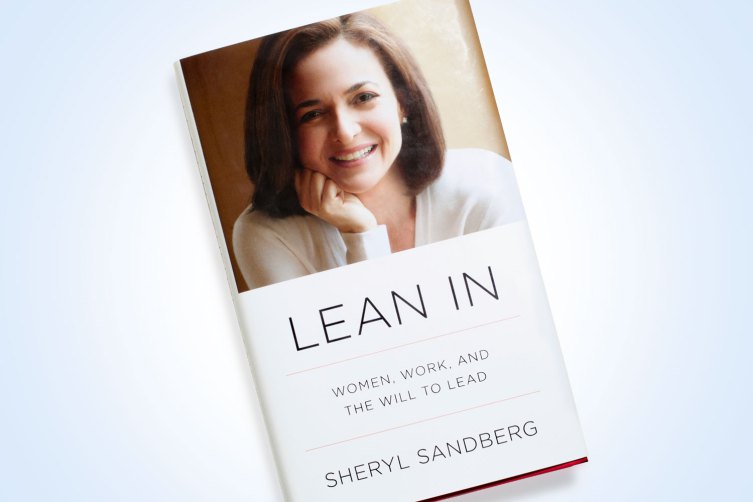
Interesting interview with Sheryl Sandberg on her recent book about working women

http://www.npr.org/2013/03/11/173740524/lean-in-facebooks-sheryl-sandberg-explains-whats-holding-women-back

Book review: http://www.nytimes.com/2013/03/07/books/sheryl-sandbergs-lean-in.html?_r=0

Some opinions about her: http://www.latimes.com/news/opinion/opinion-la/la-ol-facebook-sheryl-sandberg-deserves-respect-20130306,0,6928927.story

In general, I think it's not that effective when a super-successful outlier person tells everyone else, "You can be like me." Same goes for books from Obama, Jack Welch, etc. I know Sandberg isn't saying that explicitly, but she is a role model. Sandberg is an amazing story, but got a lot of help and special opportunities (and luck) along the way. Most working women will find themselves under more constraints, even if they are as sharp as Sandberg. I like the part of Sandberg's message that women shouldn't be their own worst enemy and limit themselves from their own fears. If you have a problem with something, stand up and do something about it. I think that advice applies to a lot of men too. All around us are messages and influences that say, "You can't do this, you can't do that, don't stick your neck out, just play it safe." But sometime they're right, because there isn't a 2nd chance if we take the wrong risk. And generally women have less room for error (partly due to our sexist culture). What about all the other Sandberg types who didn't make it big - maybe accidentally pissed off a boss or got pregnant at the "wrong time" or picked a bad company along the way? They had just as much potential and worked just as hard, but the truth is we often don't have much control of our destinies - even in the "meritocracy" of Silicon Valley.

To me, the irony of her message is that all the "bad" habits that Sandberg says women practice that hold them back (being humble & compromising, seeking out a mentor, second guessing - which gets a bad rap but often times saves one from a mistake!), are actually good working (and life) behaviors! Remember how Bush was seen as so much more "decisive" and "bold" than Kerry or Gore? Hitler was decisive and bold too (not implying parity among those leaders!). We know women are generally better human beings than men. It's just that the asshole men that tend to run the world don't do those civil things and take advantage/dismiss people who do. So once again, it's not "passive women" who are the problem, but ultra-aggressive/selfish/
greedy/sociopathic men and their contrived, dysfunctional professional culture. Similar to our previous emails, when it's too daunting to take on the assholes and try to change them, then the alternative (Sandberg's message) is "join 'em". I know that isn't exactly her thesis, but clearly she's not asking men to tone it down and act more "womanly." Heck Sandberg probably knows how to be a man more than I do. I am sure she understands men's contribution to the problem, though as a strong successful woman, it's unappealing to be a cliche: acting the victim and "blaming men", even if it's mostly accurate. Both sexes play a role, but instead of urging women to get more assertive, why doesn't she urge a change in workplace culture (like the Harvard article on civility) to accept and reward courteous, sensible, work-life balance women who also have great things to contribute? Why can't we figure out how to tap that resource, instead of forcing everyone to confirm to ghastly, male work expectations?

Saturday, March 2, 2013

6 former Shin Bet (Israeli FBI) heads speak out about Israeli occupation

"[Shin Bet leaders] are practical. ...They have used all the measures — in order to suppress any kind of terrorist activity. These are the guys... that have conducted targeted assassinations, tortured people in order to get intelligence ... and at the end of the day when they look at the Israeli society and they are saying in a loud and clear voice, 'Enough of the occupation. We cannot win this battle. We have to try to compromise. If we try to eat the whole cake and not share it we will lose.' And this fact surprised me completely, because you don't think this is what a security official will think." - Filmmaker and former IDF soldier Dror Moreh

http://www.npr.org/2013/02/28/172706218/the-gatekeepers-offer-candid-assessment-of-israels-security

Shin Bet is Israel's anti-terror national security agency. Their retired leaders are not leftists, but probably center-right. They are proud of and have no problem with the tough tactics they practiced in the name of protecting Israel. But use them when necessary, and as part of a larger intelligent strategy. They criticize the out-of-touch right-wing leadership that is misusing the security services and not making Israel safer in the long run.

Since the 1970's, they have had to investigate Jewish terrorists too - usually settler religious fanatics who want war to fulfill scripture (so they fight the peace process and do things to provoke the Palestinians to violence, which would justify Jewish reprisals). This culminated in the assassination of Rabin, which opened the flood gates to much more illegal settlement activity by Israel's fringe right wing (great idea to allow the most radical, uncompromising Jews to live in occupied lands among angry Palestinians, huh?). Every time there is talk of abandoning settlements and such, these extremists rise up and even burn mosques and kill Palestinians. Shin Bet found it difficult to investigate and punish them though (and many were released due to political pressure from pro-settlement leaders). They stopped a plan to bomb the Dome of the Rock (one of Islam's holiest sites) which would have incited a global religious war, only to watch the smiling perpetrators get released to cheering crowds (that did not represent the Israeli mainstream).

Former PM Sharon was the "father" of the Israeli settlement program, but as the more centrist Likud leader, he saw that they were now a liability and hurting Israel's future. He pulled Israel out of Gaza and wanted to do the same in the W Bank (as part of a larger peace deal), but suffered a stroke and his leaderless party lost. Then right wing Bibi took power and peace was off the agenda. Sharon had the credibility to broker the deal because of his former hardline rep, but actually the extreme right in Israel was the biggest roadblock. There were plots to kill Sharon (and not by Hamas), maybe even more than those against Rabin.

One of the Shin Bet leaders, Avraham Shalom, grew up in pre-WWII Austria. He was almost beaten to death by his Austrian classmates for being Jewish. Now in old age, he compared the IDF occupation of Palestine with the German occupation of Europe (not the Holocaust, but the military occupation). "We have become cruel." That means a lot coming from a Jew who experienced the worst racism and occupation.